Smarter Health Tracking Starts With TANITA
Get a full picture of your fitness with a TANITA body composition monitor. Make your goals more realistic and achievable by spreading them across different measurements.

TANITA is the Global leader in BIA technology.
TANITA is the founder of Bioelectrical Impedance Analysis (BIA) and the first to bring a body fat analyzer to market. Used in hundreds of independent research studies, TANITA is regarded as the gold standard in BIA technology.Highest levels of precision & clinical accuracy, guaranteed.
Validated against alternative body composition techniques more than any other company.‘As a Medical Advisory Board member, I have consulted with and learned from TANITA engineers for over 20 years as they developed early prototypes that have now blossomed into advanced bioimpedance technologies that accurately quantify body composition. These developments are timely as a critical need exists to go beyond simple but inaccurate measures of body shape and composition (e.g., body mass index) when evaluating people with obesity, sarcopenia, and other chronic medical conditions and diseases.’
PROFESSOR STEVEN HEYMSFIELD
Executive Director of Pennington Biomedical Research Center, Baton Rouge USA
MEMBER OF TANITA MEDICAL ADVISORY BOARD
Featured Body Composition Scales
Easy to Use, Compact, & Accurate.
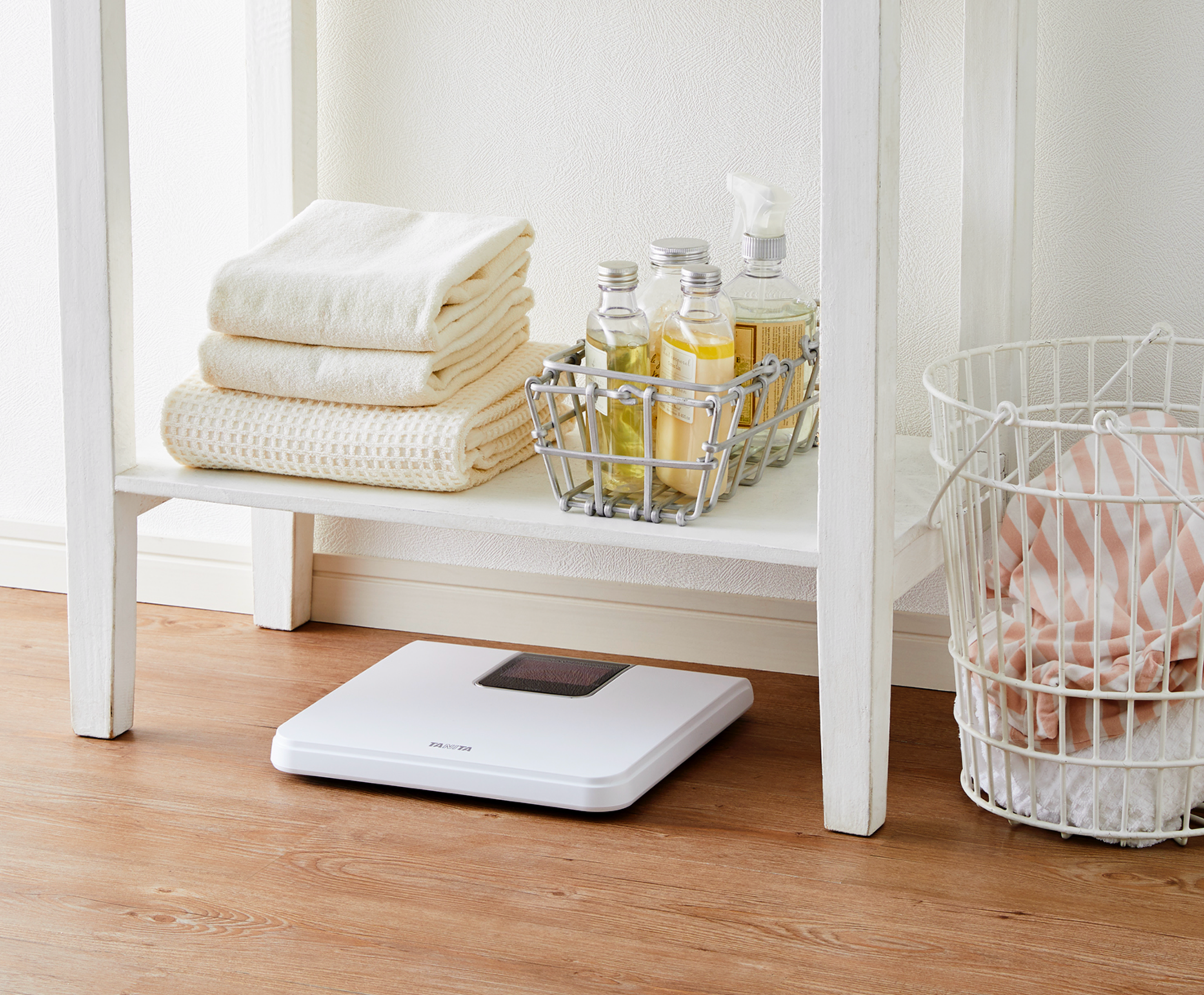
TANITA bathroom scales offer an accessible way to measure the results of healthier lifestyle choices. A 3-year warranty on all bathroom scales doesn't hurt, either.Easy to Use, Compact, & Accurate